Recent rainfall across the North Central Arkansas region has helped lawns, gardens, landscapes, and pastures recover from dry conditions, but the added moisture is also creating ideal conditions for rapid weed growth.
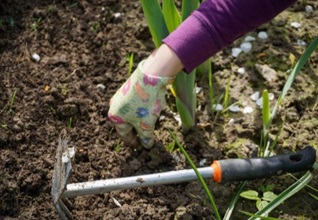
As warm temperatures combine with wet soil conditions, homeowners across the region may begin seeing weeds quickly appear in flower beds, vegetable gardens, landscape areas, and lawns.
Weeds compete aggressively with desirable plants for water, nutrients, sunlight, and growing space. Experts warn that allowing weeds to become established early in the season can make them much harder to control later in the summer.
According to recommendations from the University of Arkansas System Division of Agriculture found in MP44, “Recommended Chemicals for Weed and Brush Control,” mulch remains one of the best tools available for suppressing weeds in gardens and ornamental plantings.
Benefits of mulch include:
Reducing weed seed germination
Conserving soil moisture
Moderating soil temperatures
Reducing soil splashing during heavy rains
Common organic mulches include pine straw, shredded bark, leaves, newspaper, and untreated grass clippings.
Experts also say hand pulling weeds early remains one of the most effective weed management strategies, especially following rainfall when soils are softer and root systems are easier to remove.
For homeowners using herbicides, recommendations vary depending on whether the weeds are located in lawns, flower beds, or vegetable gardens.
Common active ingredients mentioned in MP44 include:
Glyphosate
Trifluralin
Pendimethalin
Sethoxydim
2,4-D
Dicamba
Mecoprop (MCPP)
Atrazine
Quinclorac
Common lawn weeds currently appearing across Arkansas include crabgrass, goosegrass, clover, chickweed, henbit, dollarweed, and lawn burweed.
Experts recommend homeowners always:
Correctly identify weeds before treatment
Read and follow all label directions
Confirm products are approved for the intended lawn or garden use
Avoid spray drift onto desirable plants
Maintaining a healthy lawn through proper mowing height, fertility, drainage, and reducing soil compaction can also help reduce long-term weed pressure.
A copy of MP44, “Recommended Chemicals for Weed and Brush Control,” is available online through the University of Arkansas System Division of Agriculture.
accessed online at:
MP44 – Recommended Chemicals for Weed and Brush Control
HAVE INFORMATION YOU WOULD LIKE TO SHARE with the ArkansasRadio.com radio stations submit your event at https://arkansasradio.com/submit-event/