As more deer become visible along roadsides and fields this summer, the Arkansas Game and Fish Commission (AGFC) is reminding the public not to attempt treating wild deer for parasites or suspected New World screwworm infestations.
According to Dr. Catherine Love, the AGFC’s state wildlife veterinarian, people who notice deer with hair loss, heavy tick infestations or wounds should report the animals instead of trying to administer medications.
“Wildlife are adapted to handle the normal parasite loads found in their habitat,” Love said. “Reporting concerns to the AGFC Wildlife Health Hotline or a local Private Land Habitat Biologist is the best first step.”
Officials say treating free-ranging wildlife with livestock medications is ineffective because there is no way to control how much medicine individual animals consume. Some deer may receive too little treatment while others receive too much.
Experts warn that underdosing parasites can lead to drug-resistant parasites that may eventually threaten livestock and pets.
Concern Over New World Screwworm
The warning comes as the New World screwworm has been detected in the United States.
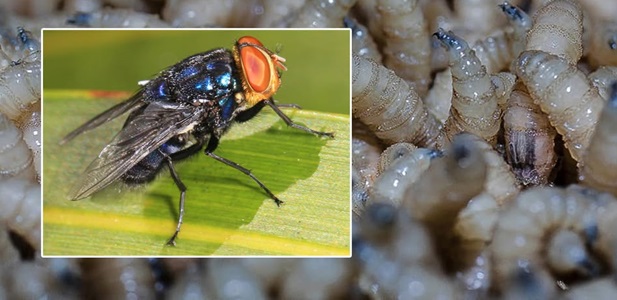
The dangerous parasitic fly lays eggs in open wounds, where the larvae feed on living tissue. Untreated infestations can become fatal.
As of July 9, 2026, the U.S. Department of Agriculture has confirmed 33 cases of New World screwworm in domestic animals — 32 in Texas and 1 in New Mexico.
Officials emphasize:
No cases have been confirmed in Arkansas.
No wildlife cases have been reported anywhere in the United States.
If anyone observes wildlife with wounds that continue to grow, visible maggots, foul-smelling wounds, extreme lethargy or unusual behavior, they should report the animal immediately rather than attempting treatment.
Report Suspected Cases
The AGFC asks anyone who suspects a screwworm infestation to contact the Wildlife Health Hotline at:
agfc.health@agfc.ar.gov
Additional information about New World screwworm is available at:
www.agfc.com/screwworm
Officials say early reporting is the best way to protect Arkansas wildlife while helping state and federal agencies monitor the parasite’s spread.
HAVE INFORMATION YOU WOULD LIKE TO SHARE?
Submit your event or news tip to the ArkansasRadio.com Radio Stations at:
To report a typo, please click here:
newsarkansasradio@gmail.com