In recognition of National Human Trafficking Prevention Month, we’re taking a closer look at how Arkansas operates one of the nation’s most detailed sex offender classification systems, assigning offenders to four risk levels based on their likelihood of reoffending and potential threat to the community.
The assessments are conducted by the Sex Offender Assessment Committee, commonly known as SOCNA, which evaluates offenders using a range of factors including offense history, victim characteristics, criminal background, behavioral patterns, and treatment compliance.
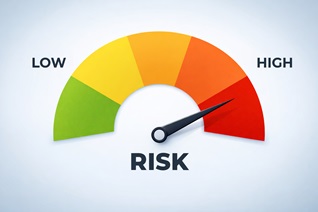
Offenders are classified into four levels:
Level 1 — Low Risk:
Typically individuals with no prior sexual offense history and a low likelihood of reoffending. Public notification is limited, and restrictions on housing, employment, and volunteer activities are minimal.
Level 2 — Moderate Risk:
Offenders with limited prior history or moderate risk indicators. Level 2 offenders face some monitoring but may still participate in community activities such as church volunteering, a provision that has raised concerns in recent cases.
Level 3 — High Risk:
Repeat offenders or individuals with higher risk indicators. Level 3 offenders face strict restrictions on where they can live, work, and volunteer, including prohibitions on residing near schools and childcare facilities. Public notification is expanded to help communities remain informed.
Level 4 — Sexually Violent Predator:
Individuals identified as having persistent or uncontrolled compulsive behavior. Level 4 offenders face the most stringent restrictions and are subject to the highest level of public notification and monitoring.
State data indicates that approximately 60 percent of registered sex offenders fall into Levels 1 and 2, meaning the majority face fewer restrictions than higher-risk offenders. Public access to offender information primarily focuses on Levels 3 and 4 through the Arkansas Crime Information Center (ACIC) registry.
The system is designed to strike a balance between community safety and constitutional protections, using actuarial risk assessments rather than one-size-fits-all classifications. Officials say the tiered approach allows law enforcement and the public to focus resources on higher-risk individuals while maintaining fairness in the system.
However, critics note potential gaps, particularly for moderate-risk offenders who may still engage in community settings such as churches and volunteer organizations. While public transparency for high-risk offenders is strong, unassessed offenders and discretionary notification policies may limit awareness in some communities.
Law enforcement officials encourage residents to stay informed through the ACIC registry and report suspicious activity while recognizing that risk levels are determined through structured, evidence-based evaluations.
https://sexoffenderregistry.ar.gov/public/#/location