The Arkansas Game and Fish Commission unanimously voted at its monthly meeting Thursday at AGFC headquarters to adopt new trout limits on four of Arkansas’s most popular tailwater fisheries, along with updated harvest rules for Lake Monticello. All changes take effect February 1 and will remain in place until further notice.
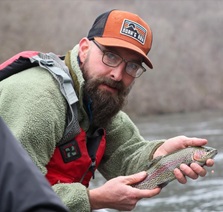
On the White River from Bull Shoals Dam to the Norfork Access, and on the North Fork River from Norfork Dam to the Norfork Access, anglers may keep two rainbow trout under 14 inches. All other trout species in those waters must be released immediately.
On the White River from the Norfork Access downstream to the Arkansas Highway 58 bridge, the daily limit will be two trout of any species, with only one fish allowed over 14 inches.
On the Beaver and Greers Ferry tailwaters, anglers may keep two trout of any species, but any trout longer than 14 inches must be released.
Commission officials said the changes are designed to encourage fishing opportunities following a temporary emergency order last year that reduced trout harvest due to fish shortages at federal and state hatcheries. Both the Norfork National Fish Hatchery and the AGFC’s Jim Hinkle Spring River State Fish Hatchery experienced unexpected die-offs and infrastructure failures tied to natural events, significantly reducing production.
Commissioners implemented restrictive limits as a precaution until the full scope of the losses could be evaluated.
The Commission also unanimously approved new harvest regulations for Lake Monticello in southeastern Arkansas. Following a recent lake drawdown and dam renovation by the City of Monticello, the lake has been heavily stocked with Florida largemouth bass — including a specialized strain known as “TITAN MAXX” — along with forage species to support rapid fish growth.
Fish exceeding five pounds, with some approaching eight pounds, have already been reported. Biologists say limited harvest of smaller bass will help reduce pressure on forage and allow trophy fish to continue growing. Anglers may now keep up to five largemouth bass per day, with only one fish allowed over 16 inches.
Crappie harvest will also be permitted, with a daily limit of 15 crappie, though only seven may be 12 inches or longer.
“Data suggests that the crappie population is beginning to become overabundant, and some limited harvest of this species will help keep the lake’s food chain balanced,” said Tommy Laird, AGFC Fisheries Division chief.
All other species on Lake Monticello will follow statewide daily limits.
During the meeting, AGFC Director Doug Schoenrock formally recognized Joe Williams as the Enforcement Division’s colonel. Williams began his career as a game warden in 2009, serving in Ashley County before promotions to sergeant in 2018, captain in 2021, lieutenant colonel last year, and ultimately colonel in early December.
Staff also provided a preliminary report on the upcoming regulations-setting process. AGFC Deputy Director Brad Carner said the agency has identified more than 40 regulations that could be eliminated or consolidated to simplify rules for hunters and anglers. Commissioners will review proposals through the Feb. 19 meeting, followed by a public survey and a final vote expected in April.
In other business, the Commission recognized AGFC printer Scotty Quarles for saving a coworker who was choking by performing the Heimlich maneuver. Director Schoenrock also announced plans to add additional life-saving devices at AGFC facilities. Commissioners also heard a presentation from private lands habitat biologist Jeff Lawson on regional conservation partnerships and large-scale habitat improvements.